-
-
0 Komentar

CPI Gandeng Pemerintah dan MPR Bahas Kebijakan Iklim Lewat EKONIKLIM, Simak Hasil Diskusi yang Bikin Geger Nasional
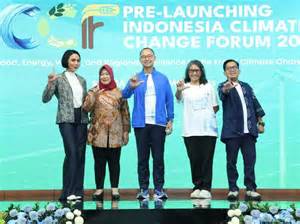
Climate policy has taken center stage in Indonesiaâs political arena this week, as the Climate Policy Initiative (CPI) convened a highâlevel forum with the Ministry of Environment and Forestry and the People’s Consultative Assembly (MPR). The event, held at the National Convention Center in Jakarta, was part of the broader EKONIKLIM series that seeks to align economic growth with climate resilience. With more than 200 participants, the gathering sparked intense debate and left many stakeholders questioning the countryâs commitment to the Paris Agreement.
Agenda Ekonomi dan Iklim: Mengapa EKONIKLIM Menjadi Topik Utama
EKONIKLIM is an annual platform that brings together policymakers, business leaders, civil society, and academia to discuss how Indonesia can accelerate its lowâcarbon transition while sustaining economic development. The latest edition focused on three pillars: decarbonizing the energy sector, enhancing forest protection, and mobilizing climate finance. CPIâs role as the eventâs lead organizer was to provide evidenceâbased analysis and to bridge the gap between scientific research and policy implementation.
On the day of the forum, CPIâs senior researcher, Dr. Siti Rahma, presented a comprehensive assessment of Indonesiaâs Nationally Determined Contributions (NDCs). She highlighted that the countryâs current emission trajectory could reach 1.6â¯billion tonnes of COâe by 2030, a figure that exceeds the Paris Agreementâs 1.5â¯Â°C limit. The presentation also outlined the potential economic costs of inaction, estimating that unchecked warming could reduce Indonesiaâs GDP by up to 4â¯% per year in the next decade.
In response, the Minister of Environment and Forestry, Budi Utomo, emphasized the governmentâs commitment to expanding renewable energy. He announced a new target of 30â¯% renewable share in the national energy mix by 2035, up from the current 12â¯%. âWe are launching a series of incentives for solar and wind projects, especially in the eastern provinces,â Utomo said, pointing to the untapped potential in Sulawesi and Papua.
Diskusi Panas: Perdebatan Antara Pertumbuhan Ekonomi dan Perlindungan Lingkungan
The forum quickly turned into a battleground as representatives from the Indonesian Chamber of Commerce (KADIN) and the Indonesian Forest Association (PERHUTANAN) voiced concerns about the proposed policy measures. KADINâs chairman, Arief Suryadi, warned that aggressive carbon pricing could hamper Indonesiaâs competitive edge in the global market, particularly for the palm oil and coal sectors. He argued that a gradual transition would be more realistic, citing the need for âadequate time for adjustmentâ and âsupport mechanisms for affected workers.â
Conversely, PERHUTANANâs spokesperson, Maria Dewi, called for stricter enforcement of forest protection laws. She pointed to the alarming rate of illegal logging, which contributed 15â¯% of the countryâs total emissions in 2022. âWe need to strengthen the monitoring system and increase penalties for violators,â Dewi asserted. Her remarks were met with applause from environmental NGOs, who have long criticized the governmentâs lax enforcement of forest regulations.
Adding another layer to the discussion, the MPRâs climate committee, chaired by Senator Rina Kurnia, introduced a draft resolution that would mandate a national carbon market by 2026. The resolution seeks to create a regulatory framework for carbon trading, aiming to attract both domestic and foreign investment in green technologies. Senator Kurnia explained that the market would be linked to Indonesiaâs Emission Trading System (ETS) and would operate under the oversight of the Ministry of Finance.
Pengaruh Kebijakan Iklim terhadap Sektor Ekonomi dan Pembangunan Sosial
The debate underscored the intricate relationship between climate policy and Indonesiaâs socioâeconomic landscape. The countryâs economy is heavily reliant on natural resources, with forestry and mining contributing 7â¯% of GDP. Any abrupt policy shift could have ripple effects on employment, especially in rural areas where logging and palm oil plantations are major employers.
However, experts argue that the longâterm benefits of a lowâcarbon economy outweigh shortâterm disruptions. Dr. Rahma highlighted that investing in renewable energy could create up to 1.2â¯million jobs by 2030, with a significant portion in the manufacturing of solar panels and wind turbines. Moreover, the health benefits of reduced air pollution could translate into lower healthcare costs, potentially saving the government billions in medical expenses.
Another dimension of the discussion revolved around climate finance. The forumâs panelists examined Indonesiaâs current allocation of climate funds, noting that only 4â¯% of the countryâs development budget is earmarked for climate adaptation. They called for a more robust financing mechanism, including green bonds and publicâprivate partnerships. âWe need to mobilize at least USD 20â¯billion annually to meet our adaptation targets,â said a representative from the World Bank, who was present as a special observer.
Reaksi Publik dan Dampak Kebijakan di Tingkat Lokal
The forumâs outcomes have already begun to resonate in local communities. In West Sumatra, a small village that recently received a microâhydro project funded through a carbon credit scheme is experiencing improved electricity reliability. The project, led by a local cooperative, has reduced the communityâs reliance on diesel generators, cutting both emissions and fuel costs.
Meanwhile, in Kalimantan, a group of indigenous leaders protested the expansion of a new coal plant near their ancestral lands. They demanded that the government honor its commitments to forest protection and to provide compensation for any displacement. The protest has drawn international attention, with several NGOs calling for a moratorium on new coal projects until the countryâs forest conservation laws are fully enforced.
Langkah Selanjutnya: Implementasi Kebijakan dan Monitoring
Following the forum, CPI released a set of policy recommendations that emphasize the need for a coordinated approach. The key points include:
1. Establish a national carbon market by 2026, with clear pricing mechanisms and transparent reporting.
2. Increase the renewable energy target to 35â¯% by 2035, supported by tax incentives and streamlined permitting processes.
3. Allocate at least 10â¯% of the national budget to climate adaptation projects, focusing on coastal protection and disaster risk reduction.
4. Strengthen forest monitoring using satellite technology and communityâbased surveillance to curb illegal logging.
5. Develop a comprehensive workforce transition plan to reskill workers from highâcarbon industries to green sectors.
These recommendations are slated for discussion in the next session of the MPRâs climate committee, scheduled for September. The committee will also evaluate the feasibility of integrating climate considerations into the national development plan (Rencana Pembangunan Jangka Menengah Nasional, RPKM).
Disclaimer: This article was automatically rewritten by AI based on the original news source, without altering the facts of the original article.
