-
-
0 Komentar

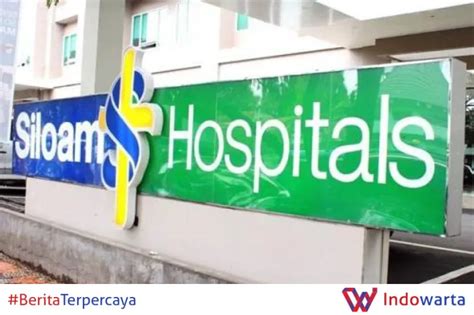
Siloam Selesaikan Akuisisi 5 Rumah Sakit First REIT Senilai Rp 3,47 Triliun, Langkah Besar Perluas Jaringan Kesehatan Nasional
Acquisition Siloam Health’s strategic expansion has culminated in the purchase of five hospitals that belong to the First REIT, a move that reshapes the landscape of Indonesia’s healthcare network. The transaction, valued at Rp 3,47 trillion, signals a significant shift in the way health services are organized and delivered across the nation.
Strategic Context of the Acquisition
In the broader context of Indonesia’s growing demand for accessible and high‑quality medical care, the integration of multiple hospital assets under a single corporate umbrella offers several operational advantages. By consolidating ownership, Siloam Health can streamline administrative processes, standardize clinical protocols, and leverage economies of scale in procurement of medical supplies and technology. Such efficiencies are essential in a country where healthcare infrastructure varies widely between urban and rural regions.
The First REIT, a real‑estate investment trust focused on healthcare facilities, has historically managed a portfolio of hospitals that serve diverse communities. The decision to divest these assets aligns with a global trend where REITs seek to unlock value by transferring operational responsibilities to specialized healthcare operators. For Siloam Health, the acquisition represents a logical extension of its existing network, which already includes several prominent hospitals across major cities.
Financially, the Rp 3,47 trillion outlay reflects a substantial commitment to long‑term growth. In capital‑intensive industries such as healthcare, large investments are often justified by projected increases in patient volume, revenue diversification, and the potential to enhance brand equity. The transaction also positions Siloam Health to better compete with other national chains that are actively expanding their footprints.
Implications for Patients and Communities
From the perspective of patient care, the acquisition is expected to improve access to specialized services. By adding five hospitals to its network, Siloam Health can offer a broader range of medical specialties, including cardiology, oncology, and orthopedics, which may not have been available in all locations previously. This expansion is particularly relevant for patients in regions that previously had limited options for advanced medical procedures.
Moreover, the integration of these hospitals under a single management structure can lead to more consistent quality standards. Patients benefit when clinical guidelines, safety protocols, and electronic health record systems are unified across multiple facilities. Consistency in care delivery not only enhances patient outcomes but also builds trust in the healthcare brand.
Community health programs are another area where the acquisition may have a positive impact. Siloam Health has a history of engaging in public health initiatives, such as vaccination drives and health education campaigns. With an expanded network, the organization can extend these programs to new communities, potentially increasing coverage for preventive services and early disease detection.
Operational Synergies and Cost Management
One of the key rationales behind the purchase is the anticipated synergy between the newly acquired hospitals and Siloam Health’s existing operations. Shared services, such as centralized procurement, can reduce unit costs for medical equipment and pharmaceuticals. Bulk purchasing often leads to better pricing agreements with suppliers, which can be passed on to patients in the form of more affordable care.
Additionally, the consolidation allows for cross‑training of medical staff and sharing of best practices. When physicians, nurses, and allied health professionals collaborate across multiple sites, knowledge transfer improves clinical competence and operational efficiency. This can translate into shorter waiting times and more effective patient flow management.
Financially, the acquisition is expected to generate incremental revenue streams. As the patient base expands, so does the potential for increased service utilization. The new hospitals bring additional bed capacity and operating rooms, which can be leveraged to accommodate a higher volume of procedures and admissions. Over time, this should contribute to a stronger bottom line for Siloam Health.
Challenges and Regulatory Considerations
While the benefits are substantial, the integration process is not without challenges. Merging different corporate cultures, aligning electronic health record systems, and standardizing operational protocols require careful management. Ensuring that all facilities meet national health regulations and accreditation standards is also a critical step in maintaining service quality.
Regulatory oversight plays a pivotal role in such transactions. The Indonesian Ministry of Health and the Financial Services Authority (OJK) oversee the approval process for healthcare acquisitions, especially when they involve significant capital investment. Compliance with these regulatory frameworks is essential to avoid legal complications and to secure public trust.
Strategic Positioning in the Indonesian Healthcare Landscape
The healthcare market in Indonesia is characterized by a mix of public, private, and non‑profit providers. In recent years, private hospital chains have been aggressively expanding to capture market share. Siloam Health’s acquisition of five hospitals positions it as a formidable player in this competitive environment.
By enlarging its geographic footprint, the company can better serve patients who prefer to receive care within a single network. This convenience factor is increasingly important as patients become more conscious of continuity of care and the benefits of integrated health records. In addition, the expanded network enhances the company’s bargaining power with insurers, which can lead to more favorable reimbursement arrangements.
From an investment perspective, the move may also attract interest from stakeholders who recognize the value of a robust healthcare portfolio. As Indonesia continues to modernize its health infrastructure, companies that demonstrate capacity for scale and quality are likely to receive favorable attention from both domestic and international investors.
Future Outlook and Potential Developments
Looking ahead, the acquisition sets the stage for further strategic initiatives. Siloam Health may explore the development of specialized centers of excellence within the newly acquired hospitals, focusing on high‑complexity care that attracts both local and regional patients. Additionally, the company could invest in digital health platforms to complement physical services, offering telemedicine and remote monitoring solutions that align with contemporary patient expectations.
In the long term, the expanded network may serve as a foundation for collaborative research and clinical trials. By pooling patient data and clinical expertise across multiple sites, the organization can contribute to medical advancements that benefit the broader population. Such contributions reinforce the company’s reputation as a leader in healthcare innovation.
Kesimpulan
Dengan akuisisi lima rumah sakit senilai Rp 3,47 triliun, Siloam Health menegaskan komitmennya untuk memperluas jangkauan layanan kesehatan nasional. Langkah ini tidak hanya meningkatkan kapasitas operasional dan efisiensi biaya, tetapi juga memperkuat posisi strategis perusahaan di pasar kesehatan Indonesia. Dampak positif bagi pasien, komunitas, dan pemangku kepentingan lainnya menunjukkan bahwa investasi besar ini dapat menjadi katalisator bagi peningkatan kualitas dan aksesibilitas layanan kesehatan di seluruh negeri. Sementara tantangan integrasi dan regulasi tetap harus dihadapi, potensi keuntungan jangka panjang menjadikan akuisisi ini sebagai tonggak penting dalam
Disclaimer: This article was automatically rewritten by AI based on the original news source, without altering the facts of the original article.
